Historic Land in Israel: From Family Stories to Documents
Historic land in Israel may appear in letters, receipts or family memories. However, a story alone does not establish ownership. First, identify the person and the property. Then compare historical information with current records. For families abroad, this helps turn a broad search into specific questions. It also reveals gaps before money is spent on a claim.
Start with the Family Archive
First, collect old deeds, correspondence, maps and purchase receipts. Keep complete scans, including stamps and handwritten notes. Moreover, record where each document came from. A date or address may help distinguish people with similar names. List spelling variations in Hebrew and other languages. For example, immigration records may use a different surname. However, a matching name is only a starting point. Other identifying details must support the connection.
Connect Old Descriptions to Today’s Property
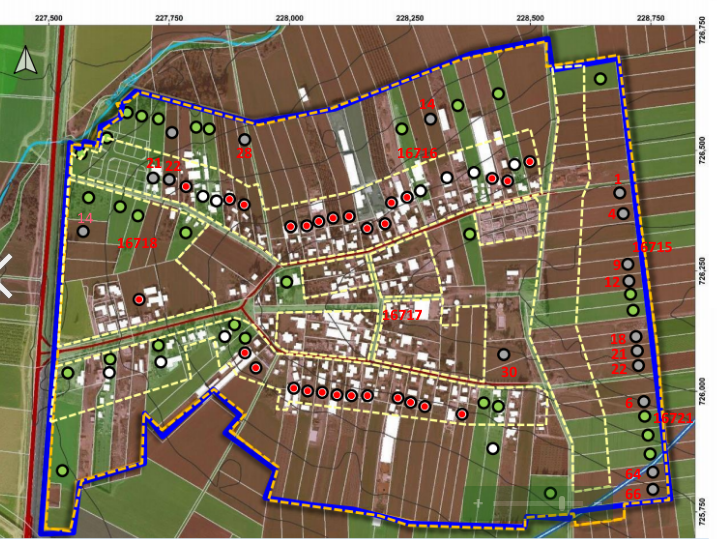
Next, separate the historical description from the current parcel identification. An old reference may not identify today’s registered parcel directly. Therefore, ask what records could connect the two. Historical maps and registry material may provide useful leads. Nevertheless, their meaning requires review. A document may concern a different property, a limited right or an earlier transaction. Do not assume every purchase receipt reflects continuing ownership.
Check Registration and the Inheritance Connection
A current title search helps establish the registered position. Then review the link between that position and the historical documents. If the registered owner has died, inheritance evidence becomes another part of the file. However, an inheritance order does not itself prove that a disputed parcel belongs to the estate. The property question and the inheritance question remain distinct. This matters especially when several generations separate the claimant from the original purchaser.
Plan the Search in Stages
Before commissioning extensive work, define the first research stage. For instance, begin with document review and parcel identification. Next, assess whether further archive work is justified. Ask for a written explanation of confirmed findings and unresolved points. In addition, compare expected costs with the available evidence. Historic land in Israel should be investigated carefully, rather than treated as a guaranteed family asset. Prepare a short chronology with known names, dates and property references. Consequently, the initial legal discussion can focus on evidence rather than assumptions.
FAQ
– Does an old receipt prove ownership? Not necessarily. Its significance depends on the property and supporting records.
– Can research begin from abroad? Yes, document collection and an initial review can begin remotely. However, later requirements depend on the case.
Disclaimer: General information only, not legal advice. Shoshan Law practices Israeli law only.